
Softener salt types: pellets, solar crystals, rock salt and potassium chloride
Affiliate disclosure: SoftPro Water Systems is an affiliate partner. Product links below use our SoftPro referral tracking and may earn a commission at no extra cost to you. We have not hands-on tested these products; specs and prices are from SoftPro's own product pages as of November 16, 2026. See our affiliate disclosure.
Last reviewed: November 16, 2026.
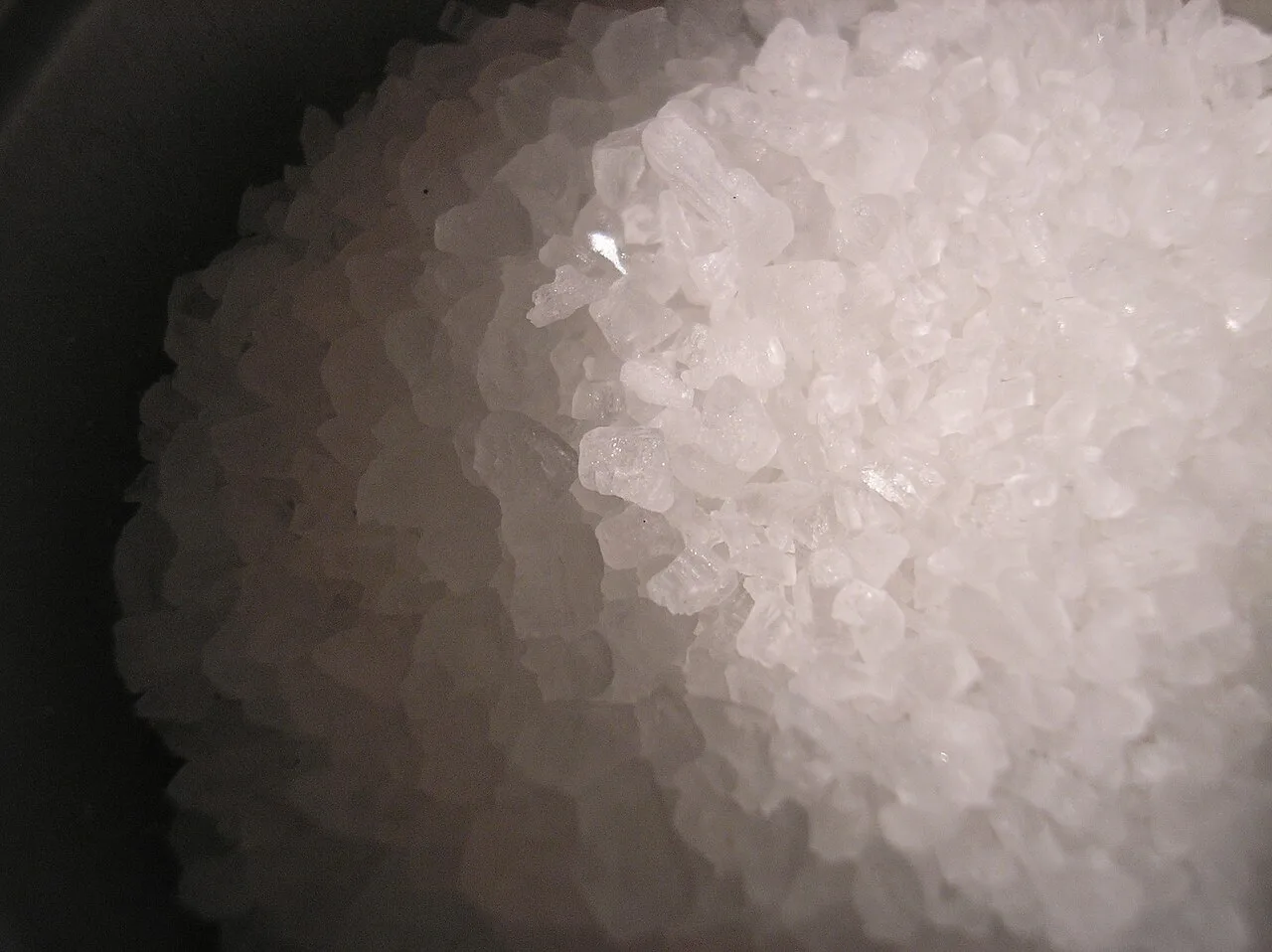
- Most households do best with high-purity sodium chloride: evaporated pellets or solar crystals, labeled for water softeners. Morton recommends salt that is 99%+ pure with under 1% impurities.
- Rock salt, ice-melt, table salt and pool salt carry more insoluble minerals that can cause bridging and a muddy tank. Block salt only suits softeners built for it.
- Potassium chloride adds almost no sodium but costs several times more and needs about 13 to 25% more product plus special programming. It is worth considering only for a specific reason, such as a sodium restriction your doctor has given you.
- Check your owner's manual first; it overrides general advice.
A softener cleans its resin with a strong salt brine, so the salt you pour into the brine tank is its only regular running cost. The bag aisle offers pellets, crystals, blocks, rock salt and potassium. Here is what the manufacturers and independent sources say, so you can pick without overspending. If you notice salt that will not drop or a crust in the tank, see our maintenance checklist for clearing bridges.
1. Sodium chloride forms compared
| Type | What it is | What the makers and sources say |
|---|---|---|
| Evaporated or pellet salt | Evaporated salt, often pressed into pellets | Morton calls pellets clean and a very good source that can help reduce bridging, and evaporated salt the purest at 99.99% sodium chloride. Diamond Crystal lists its pellets at 99.8% typical purity. |
| Solar crystals | Salt dried from brine by sun and wind | Clean and recommended by Morton; Diamond Crystal lists 99.6% typical purity. Smaller crystals may bridge more easily than pellets. Do not mix shapes in the same tank. |
| Iron-fighting salt | Salt with a rust-control additive | Only for a little iron on the resin; follow the maker's instructions. |
| Rock, ice-melt, table, pool salt | Mined or non-softener salts | Morton: higher levels of insoluble minerals, which over time cause bridging, a muddy tank, lower efficiency and impurities. Pentair manuals say to use pellet salt, not rock salt. |
| Block salt | Solid 5 to 50 lb blocks | Morton does not recommend it in standard softeners: it does not dissolve well enough to regenerate efficiently, and salt sensors may misread it. |
The practical takeaway: buy a bag that says it is for water softeners, with a purity figure printed on it. One retailer's October 2026 survey put 40 lb bags of plain pellets at roughly $8 to $10, but prices vary by store and region, so treat that as a ballpark.
2. Potassium chloride: when it makes sense
Potassium chloride (KCl) regenerates the resin and returns potassium, not sodium, to the water. The trade-offs are consistent across sources:
- Cost. About 5 times the price per bag in that same October 2026 retailer survey, on top of needing more product.
- Quantity. The Water Quality Association figure cited by that retailer is 13 to 15% more; other sources say up to 25%. Makers vary: WaterBoss and A.O. Smith say raise the hardness setting about 12%, GE 20% and Kenmore 25%. Follow your own unit's manual.
- Programming and iron. Morton says special programming is required. WaterBoss and A.O. Smith advise against potassium chloride when the water has iron or manganese, and WQA notes it forms bridges more readily, so check the tank more often.
How much sodium does softening add? The Water Quality Association figure, passed along through University of Nebraska Extension, is about 8 mg of sodium per liter for each grain of hardness removed, so 10 gpg water ends up around 80 mg per liter. If you are on a sodium-restricted diet, ask your doctor what applies to you; we cannot give medical advice. A common non-salt-swap option is keeping an unsoftened cold tap for drinking, or an RO unit; see our under-sink RO guide.
3. Keeping an eye on the salt
Running out of salt means hard water returns without warning, and a half-empty tank can hide a bridge. A level sensor takes the guesswork out. Two things to know: a bridge can leave empty space under a crust, which a surface-reading sensor can mislead on, and Morton notes sensors are designed for a leveled load of loose salt, not blocks. Even with a sensor, lift the lid once in a while.
One SoftPro pick (under $100)
Price checked on softprowatersystems.com on November 16, 2026.
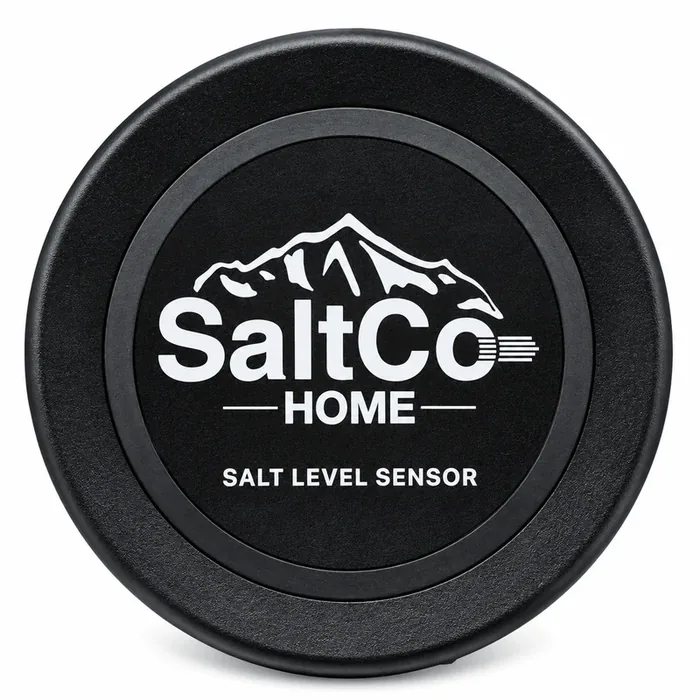
SoftPro Smart Salt Level Sensor
$89
SoftPro describes a time-of-flight sensor that sits on the brine tank lid, connects to Wi-Fi and sends low-salt alerts to your phone, reading salt level to about an inch. Priced for any standard brine-tank softener, as far as the listing says; confirm lid fit for yours.
View on SoftProSoftPro link above is an affiliate link. Specs and price are SoftPro's own as of November 16, 2026; we have not tested the sensor. Sizing questions? See our grain capacity guide.
Bottom line
For most homes: buy clean, labeled softener salt in pellets or solar crystals, stick with one shape, avoid rock, block and ice-melt salt unless your manual says otherwise, and keep an eye on the level. Reach for potassium chloride only when you have a reason, and then adjust your softener settings and watch for bridging.
Sources
- Morton Water Softeners: Salt types (purity guidance, pellets, evaporated, block, rock, potassium chloride programming)
- Mid Atlantic Water: Water softener salt (October 2026 bag prices, Pentair manual note, WQA 13 to 15% and sodium per grain figures, maker settings for potassium)
- Simply Salt: Solar salt vs pellets (Diamond Crystal purity figures, bridging)
- CheckMyTap: Softener salt types (potassium chloride trade-offs, rock and block salt)
- SoftPro Smart Salt Level Sensor product page on softprowatersystems.com (checked November 16, 2026)