NSF water filter certifications explained: 42, 53, 58, 401 and more
Affiliate disclosure: Aquasana (through the Rakuten network) and iSpring are affiliate partners. Product links below use our affiliate tracking and may earn a commission at no extra cost to you. For iSpring, code REFISPRING is a referral discount; confirm terms at checkout. We have not lab-tested these products; certification claims and prices are summarized from the brands' live product pages as of November 8, 2026. See our affiliate disclosure.
Last reviewed: November 8, 2026.
Almost every water filter box carries a string of numbers: 42, 53, 58, 401. Those numbers are American National Standards written through NSF, and they are the closest thing homeowners have to an apples-to-apples check on filter claims. NSF points out that no federal regulations exist for residential filters, purifiers and reverse osmosis systems; the standards are voluntary. It also stresses that the numbers reflect the order the standards were written, not a ranking. A "401" filter is not better than a "53" filter—it was tested for different things.
This guide explains what each common standard covers, how to tell real certification from marketing language, and how to check a specific model before you buy. It applies nationwide to pitchers, faucet-mount, under-sink, reverse osmosis, shower and whole-house systems.
1. The standards homeowners run into most
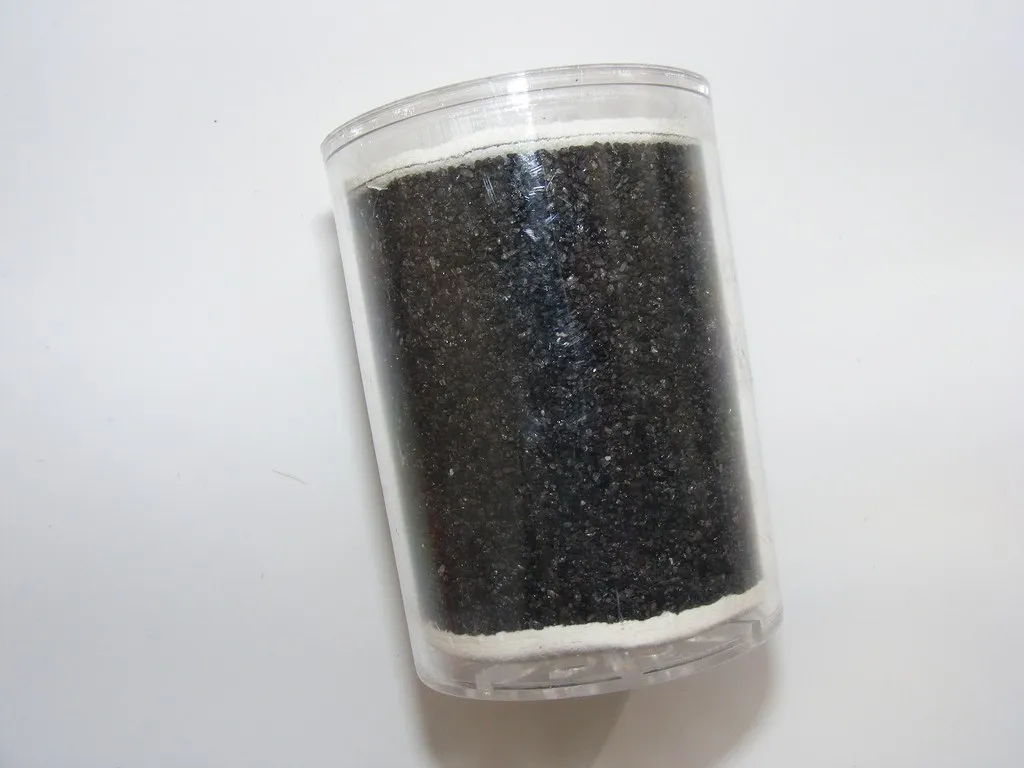
- NSF/ANSI 42 (aesthetic effects). Certifies reduction of non-health "aesthetic" impurities such as chlorine, taste and odor, and particulates. It applies to point-of-use systems (under the sink, pitchers) and point-of-entry (whole-house) systems.
- NSF/ANSI 53 (health effects). Certifies reduction of contaminants with a health effect as regulated by the U.S. EPA and Health Canada—lead, cysts, certain volatile organic chemicals and more, depending on the claims. Both 42 and 53 cover adsorption and filtration media such as carbon.
- NSF/ANSI 58 (reverse osmosis). Covers RO systems, which push water through a semi-permeable membrane, usually with extra filters before and after it. The EPA WaterSense guide notes RO reduces sodium and dissolved inorganics, but also removes beneficial minerals and produces reject water.
- NSF/ANSI 401 (emerging contaminants). Verifies reduction of one or more of 15 "emerging" contaminants, such as certain pharmaceuticals and chemicals not yet regulated by the EPA or Health Canada.
- NSF/ANSI 44 (softeners). Cation-exchange water softeners that reduce calcium and magnesium hardness. See our softener sizing calculator.
- NSF/ANSI 55 (ultraviolet). Class A UV systems inactivate bacteria, viruses and cysts in contaminated water; Class B systems reduce non-disease-causing bacteria in already-disinfected water.
- NSF/ANSI 62 (distillation). Boils and condenses water, leaving heavy metals behind.
- NSF/ANSI 177 (shower filters). Certified only to reduce free available chlorine. It says nothing about hardness. See our shower filter guide.
- NSF/ANSI 244 and NSF P231. 244 covers filters meant only for supplies that are already treated, as protection against intermittent microbiological contamination. P231 is the protocol for microbiological water purifiers.
2. Certified to a standard is not the same as certified for your contaminant
NSF's own warning is the most useful line on its standards page: certification to a standard does not mean a filter reduces every possible contaminant. Each product is certified for specific claims. A carbon filter certified to NSF/ANSI 53 for lead may not be certified for cysts, and one certified for cysts may not be certified for lead.
The fix is the performance data sheet. Reputable brands publish one for each model listing the exact contaminants, the reduction percentage, and the rated capacity in gallons. The EPA WaterSense guide to selecting treatment systems tells shoppers to review that sheet or check a third-party certification website to confirm the system is certified for the target contaminant.
A few practical matches:
- Chlorine taste and odor: NSF/ANSI 42.
- Chloramine: look for chloramine listed specifically on the data sheet. Many city systems use chloramine, and plain chlorine claims do not cover it. Our chloramine and carbon guide explains why catalytic carbon matters.
- Lead: NSF's lead-reduction listing page points to NSF/ANSI 53 or NSF/ANSI 58 with lead named on the package. An archived CDC page also mentions NSF/ANSI 42 for particulate reduction alongside 53 for lead.
- Cysts such as Cryptosporidium and Giardia: the CDC lists filters certified to NSF 53 or 58 for cyst reduction or removal, reverse osmosis, or an absolute pore size of 1 micron or smaller.
- PFAS (PFOA/PFOS): look for those compounds on the data sheet under NSF/ANSI 53 or 58. Aquasana's listing describes its Claryum certification as NSF/ANSI 53 "includes P473," the earlier NSF protocol for PFOA and PFOS.
- Hardness: filters certified to 42/53 do not soften water. That is NSF/ANSI 44 territory, or a salt-free conditioner with its own test data.
- Bacteria and viruses: carbon filters are not disinfection devices. The EPA WaterSense guide notes carbon filtration does not remove bacteria; look at UV under NSF/ANSI 55 Class A or other disinfection, especially on a private well.
3. Who certifies: NSF is not the only lab
The standards are often called "NSF standards," but several accredited bodies certify products to them. The EPA WaterSense guide names CSA Group, ICC Evaluation Services, IAPMO R&T, NSF, UL and the Water Quality Association (WQA). A filter that says "WQA tested and certified to NSF/ANSI 42, 53 and 401" is making the same kind of claim as one with the NSF mark; you check it in WQA's listings instead of NSF's.
4. Red flags in filter marketing
- "Tested to" or "meets" NSF standards without the word "certified" and a named certifier. Testing in-house or at a lab of the brand's choosing is not the same as a listed certification.
- Component or material certification only. Some brands certify that a housing or a single cartridge's materials are safe for drinking water, which is different from certifying the whole system's contaminant reduction. iSpring, for example, says its RCC7 certification covers the entire system's performance, not just components—exactly the distinction to check in a listing.
- Long contaminant lists with no capacity. Reduction claims are tied to a rated number of gallons. Past that capacity, the claim no longer applies.
- Percentages without a standard. "Removes 99% of X" is only as good as the test behind it. Look for the matching standard and data sheet.
5. How to check a filter in five minutes
- Write down the exact model number of the system and the replacement cartridge.
- Search the NSF drinking water treatment unit listings or the WQA certified product listings, depending on whose mark the product carries.
- Confirm the listing names the contaminant you care about, under the right standard.
- Open the brand's performance data sheet and note the rated capacity and replacement interval.
- Price the replacement cartridges. A cheap system with expensive or short-lived cartridges can cost more over a few years.
If you do not yet know what is in your water, start with your utility's annual water quality report or a lab test. Our guide to reading a water quality report uses Texas examples but the same report format is required nationwide.
Curated certified picks (2)
Two partner products whose live product pages state specific third-party certifications. Prices were checked on the brands' live pages on November 8, 2026 and change often. As always, confirm the listing for the contaminant you care about.
- Aquasana Claryum 2-Stage Under Sink Water Filter, $249.99 on aquasana.com (the page showed a lower price for its Water for Life auto-ship plan). Aquasana says it is WQA tested and certified to NSF/ANSI 42, 53 (including P473) and 401 for the claims on its performance data sheet, listing reductions such as 99.6% of lead and microplastics, 99.7% of PFOA/PFOS, 97.3% of chlorine and 91% of chloramines. It is a carbon-based filter, not RO, so it keeps minerals; capacity is 500 gallons or about 6 months, with a 0.5 gpm rated flow and a dedicated faucet. Aquasana notes a UV filter must be added for bacteria and viruses.
- iSpring RCC7 5-Stage Under Sink Reverse Osmosis System (75 GPD), $229.99 on ispringfilter.com. iSpring states the RCC7 is certified to NSF/ANSI 58 and that the certification covers the whole system's performance rather than individual components. As an RO system it targets dissolved solids and hardness minerals at the kitchen tap, with the trade-offs the EPA notes: reject water and fewer minerals in the finished water. Yearly pre-filter sets are listed on our Products page. Use code REFISPRING at checkout.
Certification claims and prices come from the Aquasana and iSpring product pages and can change. Verify the model in the NSF or WQA listing for your target contaminant before you buy.
Where this fits in the house
Certification tells you whether a filter does what it says; it does not tell you which type of filter you need. For that, see countertop vs under-sink water filters, filter vs softener vs RO, and the whole-house sediment filter guide for well and city water prefiltration. More certified filters are on the Products page.
Bottom line
Treat NSF numbers as a map, not a grade: 42 for taste and odor, 53 for health contaminants, 58 for reverse osmosis, 401 for emerging contaminants, 44 for softeners, 55 for UV and 177 for shower chlorine. Then go one step further than the box—confirm the exact model and contaminant in the NSF or WQA listing, and read the data sheet for capacity so you replace cartridges before the claim runs out.
Sources
- NSF: Standards for Water Treatment Systems (definitions of 42, 53, 44, 55, 58, 62, 177, 244, 401 and P231; numbers are not a ranking; certification does not cover all contaminants)
- NSF: Lead reduction listing category (NSF/ANSI 53 and 58 for lead; look for lead on the package)
- EPA WaterSense Guide to Selecting Water Treatment Systems (PDF) (standards by technology; check data sheets and third-party listings; accredited certifiers; RO trade-offs)
- CDC: About Choosing Home Water Filters (NSF ratings; cyst reduction options; reverse osmosis)
- CDC (archived): Choosing Home Water Filters (NSF 53 for lead and NSF 42 for particulates)
- Aquasana Claryum 2-Stage and iSpring RCC7 product pages: certification claims and prices (checked November 8, 2026)
Information only; not medical or water-treatment engineering advice. For a private well or a known contamination problem, test your water through a certified lab and talk with your local health department.